

What Are Agricultural Sunshade Gardening Nets 2026 Sourcing Guide
This professional guide is meticulously crafted by senior technical engineers from Huimin County Chaozhan Chemical Fiber Rope and Net Co., Ltd., a globally recognized leader in chemical fiber rope and net manufacturing. Agricultural sunshade gardening nets are essential protective materials widely used in greenhouses, orchards, and open-field farming to regulate sunlight, reduce heat stress, and prevent crop damage from pests or hail. Despite their widespread adoption, many agricultural buyers and procurement managers still misunderstand their material composition, UV resistance mechanisms, and proper sizing standards. In this guide, we combine extensive global project experiences to systematically explain core definitions, working principles, classification standards, international compliance requirements, and common selection pitfalls. By understanding these technical fundamentals, you can optimize crop yield, reduce replacement costs, and secure reliable supply chain partnerships.
Agricultural Sunshade Gardening Nets: Core Definition & Industry Positioning
Standard Definition
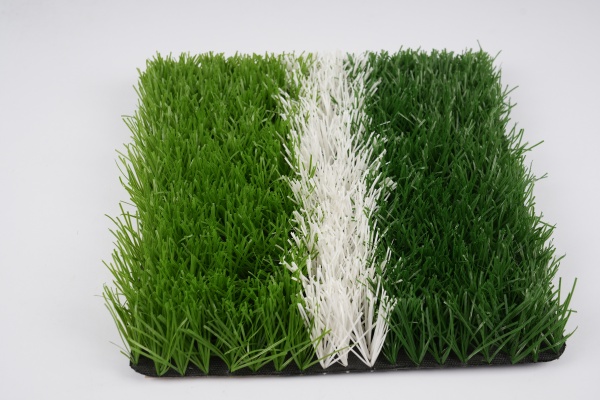
According to international agricultural protection standards, agricultural sunshade gardening nets refer to high-density polyethylene woven mesh structures specifically engineered to filter solar radiation, control microclimates, and shield crops from environmental hazards. Simply put, they are breathable, durable fabric covers that block excess sunlight while allowing air and water circulation, solving the limitations of traditional plastic mulches or rigid greenhouse frames.
Industry Value & Positioning
As a critical component in modern precision agriculture, these nets have become indispensable for sustainable farming and export-oriented horticulture. They deliver three core advantages: extended growing seasons through temperature regulation, reduced pesticide dependency via integrated pest exclusion, and lower infrastructure costs compared to permanent glass structures.
Core Differences from Traditional Solutions
Technical Indicator | Agricultural Sunshade Nets | Traditional Plastic Mulch |
|---|---|---|
Lifespan | 3-5 years with anti-UV treatment | 1-2 seasons |
Light Transmission | Adjustable 30%-90% | Opaque or fixed clear |
Environmental Resistance | Wind, hail, and salt-spray resistant | Prone to tearing and degradation |
Installation Flexibility | Modular, reusable, customizable sizes | Single-use, labor-intensive disposal |
How Do Agricultural Sunshade Nets Work? Core Principles Explained
Simply put, these nets function by scattering and absorbing specific wavelengths of solar radiation, thereby lowering ambient temperature and reducing evapotranspiration without completely blocking photosynthesis. From a technical perspective, the complete process relies on three core mechanisms.
Raw Material Modification: Manufacturers blend virgin HDPE resin with carbon black and titanium dioxide to create intrinsic UV-stabilized fibers, eliminating surface coatings that easily wash off.
Knotless Warp Knitting: The mesh is formed using continuous loop knitting rather than traditional weaving, which distributes mechanical stress evenly across the grid and prevents unraveling under high winds.
Microclimate Regulation: The precise aperture size controls light penetration ratios, creating a stable thermal buffer zone that protects delicate root systems and foliage during peak summer hours.
Key Performance Metrics & Classification Standards
Based on global agricultural standards, sunshade nets are primarily classified by shading percentage, mesh density, and functional additives to match diverse climatic zones.
By Shading Percentage: 30% nets suit cool climates requiring mild cooling; 50% nets are standard for temperate fruit orchards; 70% to 90% nets target intense tropical regions or seedling propagation.
By Functional Additives: Anti-bird variants feature tighter weaves; insect-proof models use micron-scale apertures; hail-resistant versions incorporate reinforced cross-weaving for impact absorption.
Core Performance Indicators
Performance Metric | Standard Definition & Test Method | Industry Reference Value | Selection Significance |
|---|---|---|---|
UV Resistance | SGS 1500-hour accelerated weathering test | Color fastness grade ≥7 | Ensures structural integrity and consistent shading ratio over multiple seasons |
Tensile Strength | ASTM D882 standard pull test | ≥2200N breaking force | Guarantees wind load tolerance and prevents tear propagation during storms |
Temperature Tolerance | Industrial chamber testing | -30℃ to 70℃ operational range | Prevents brittleness in winter and melting adhesion in extreme heat |
Industry Application Scenarios & Proven Value
Backed by extensive export experience across twenty-seven countries, agricultural sunshade nets solve critical field challenges through targeted deployment.
1. Commercial Orchard Protection
Core Demand & Pain Points: High-value fruits like cherries and olives suffer severe yield loss from sudden hailstorms and excessive solar scalding.
Targeted Solution: Heavy-duty 70% shade nets combined with anti-hail reinforcement layers provide physical impact buffering while maintaining optimal photosynthetic light levels.
Verified Value: Farmers report up to 40% reduction in crop damage claims and extended harvest windows due to stabilized canopy temperatures.
2. Open-Air Vegetable Cultivation
Core Demand & Pain Points: Heatwaves cause rapid moisture evaporation and blossom drop in leafy greens and tomatoes.
Targeted Solution: Modular 50% shade structures paired with integrated drip irrigation channels create localized cooling zones.
Verified Value: Water consumption drops by 25%, while marketable yield quality improves significantly during peak summer months.
International Standards & Compliance Certifications
To guarantee safety, durability, and seamless customs clearance worldwide, all agricultural netting must comply with rigorous testing frameworks.
Global Regulatory Frameworks: ISO9001 Quality Management Systems mandate strict production consistency. EN1263 European standards verify tensile performance for agricultural meshes. SGS third-party laboratory reports confirm material purity and heavy metal absence.
Market-Specific Certifications: European imports require CE marking alongside RoHS and REACH chemical compliance. North American shipments demand ASTM-aligned durability documentation. All export packages include bilingual SGS certificates, ISO licenses, and phytosanitary declarations to eliminate port inspection delays.
Common Cognitive Misconceptions in Net Selection
Misconception 1: Higher shading percentage always equals better crop growth.
Industry Truth & Expert Insight: Excessive darkness severely limits photosynthesis, leading to weak stems and poor fruit development. Optimal ratios depend entirely on crop species and regional latitude.
Professional Advice: Consult agronomists to match light transmission curves with your specific planting calendar.
Misconception 2: Cheaper recycled plastic nets offer equivalent longevity.
Industry Truth & Expert Insight: Recycled polymers lack uniform molecular chains, causing rapid UV fragmentation and unpredictable tear points within a single season.
Professional Advice: Prioritize virgin HDPE formulations with certified carbon-black stabilization for predictable multi-year ROI.
Frequently Asked Questions
Q: How do I choose the right shade percentage for my region?
A: Match 30% to 50% for temperate zones, 60% to 70% for subtropical areas, and 80% plus for equatorial intensities based on local solar irradiance data.
Q: Are these nets safe for organic farming certification?
A: Yes, our HDPE meshes pass SGS organic-compatible material tests, containing zero harmful additives or heavy metals.
Q: Can suppliers customize dimensions and branding?
A: Full customization is available for width, roll length, mesh aperture, and printed logos to meet local distribution requirements.
Q: What is the typical lead time for bulk orders?
A: Standard inventory items ship within seven days, while customized production runs require fifteen to twenty-five days.
Q: Do you provide complete English customs documentation?
A: Every shipment includes SGS reports, ISO certificates, commercial invoices, and packing lists formatted for global clearance.
Contact Us
Company: Huimin County Chaozhan Chemical Fiber Rope and Net Co., Ltd.
Official Website: http://www.czfiber.com/
Business Email: shouzhongguo36@gmail.com
Global Hotline: +86-15266709530
WhatsApp: +86-1856300 6752
Factory Address: Lizhuang West District Industrial Park, Lizhuang Town, Huimin County, Binzhou City, Shandong Province, China